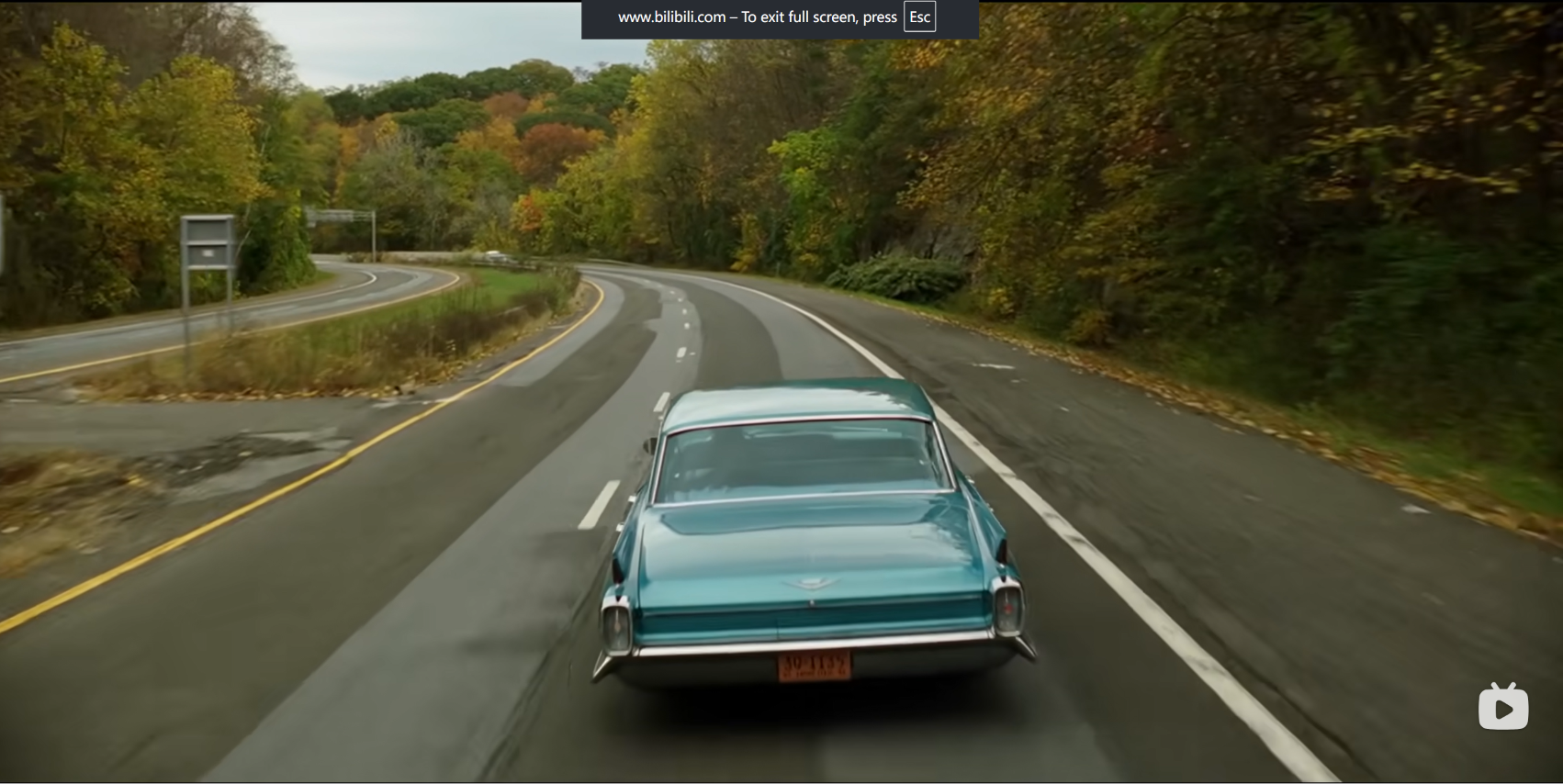
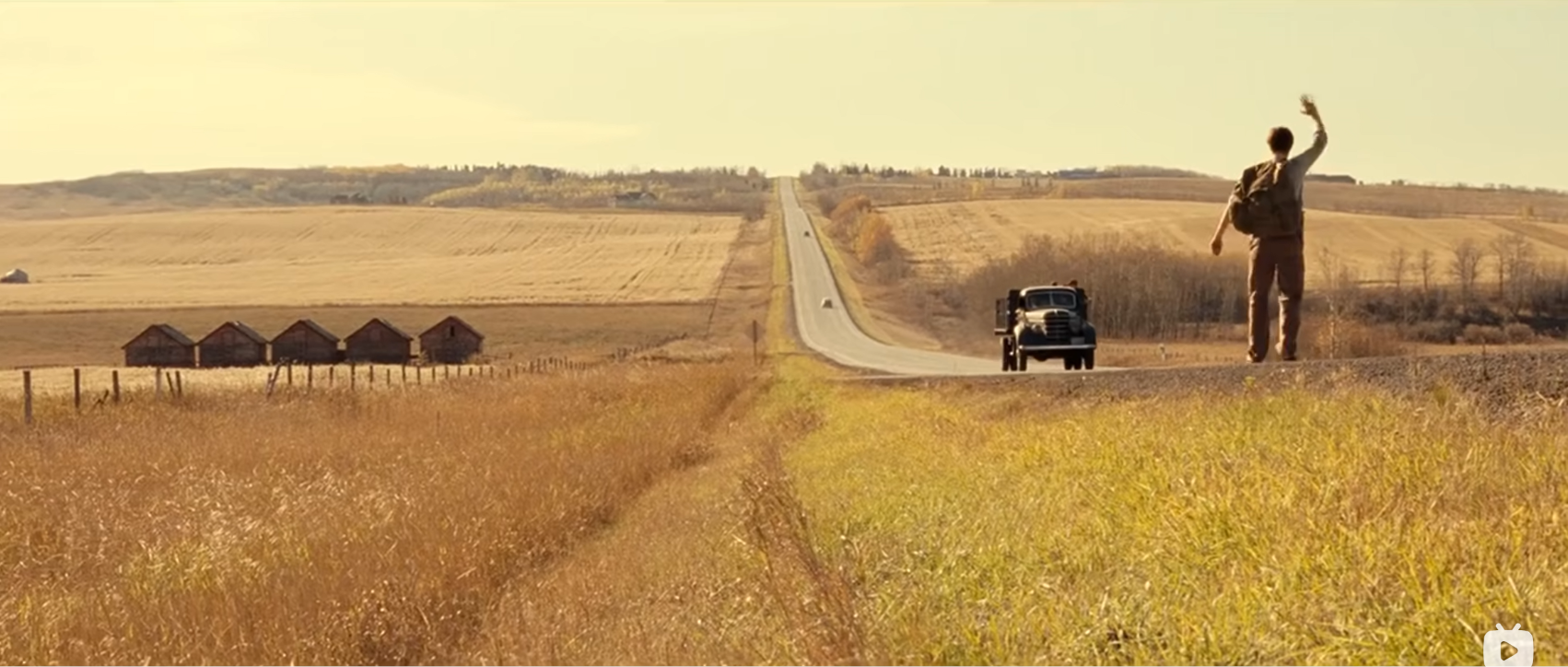
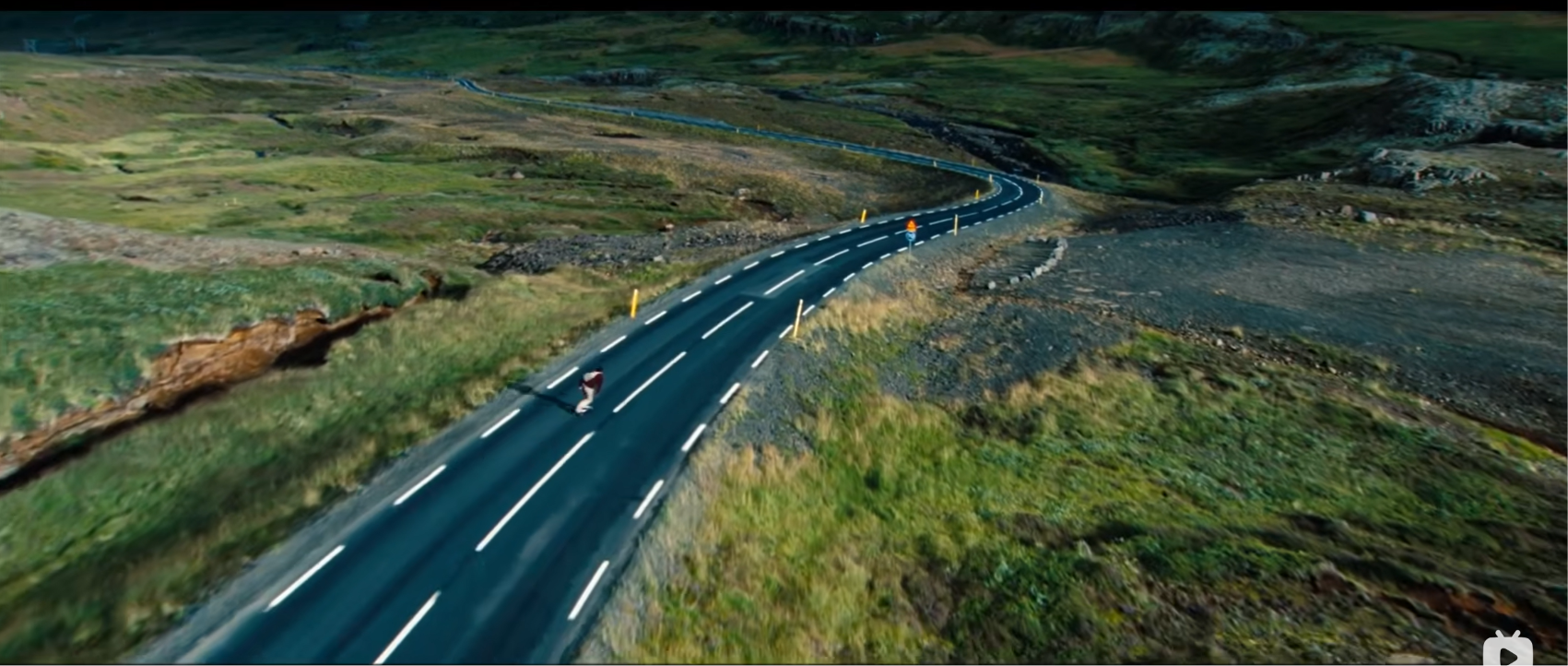
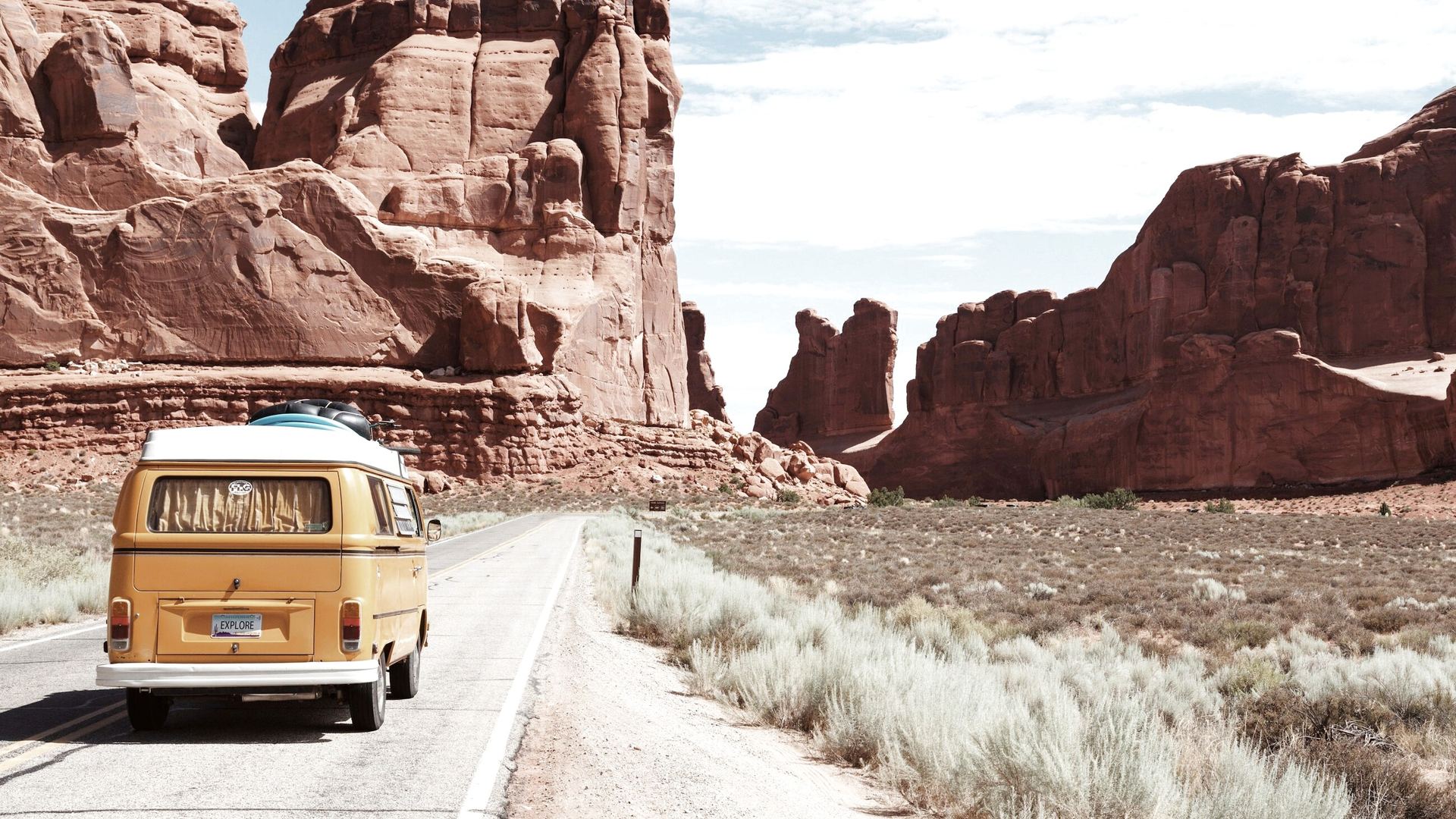
We explore the emotional history of this culture—how it started as a dream of freedom, and how it eventually forced people to face reality.
01
Trading horses for horsepower
The closed frontier, Route 66, and the old cowboy spirit carried directly into the automobile age.
02
Industrialization & the middle-class dream
Cars, paid vacations, and the mass consumer landscape that made road culture a weekend reality.
03
When the illusion cracks
Green Book and Hotel California reveal the racial privilege and psychological limits of endless escape.
Plate 04 / The Engine
escape
If you keep moving, your problems cannot catch up with you.
That simple human belief is the emotional engine of American road culture.
Plate 05 / Part one
01
PART 1 / ORIGIN
Trading Horses for Horsepower
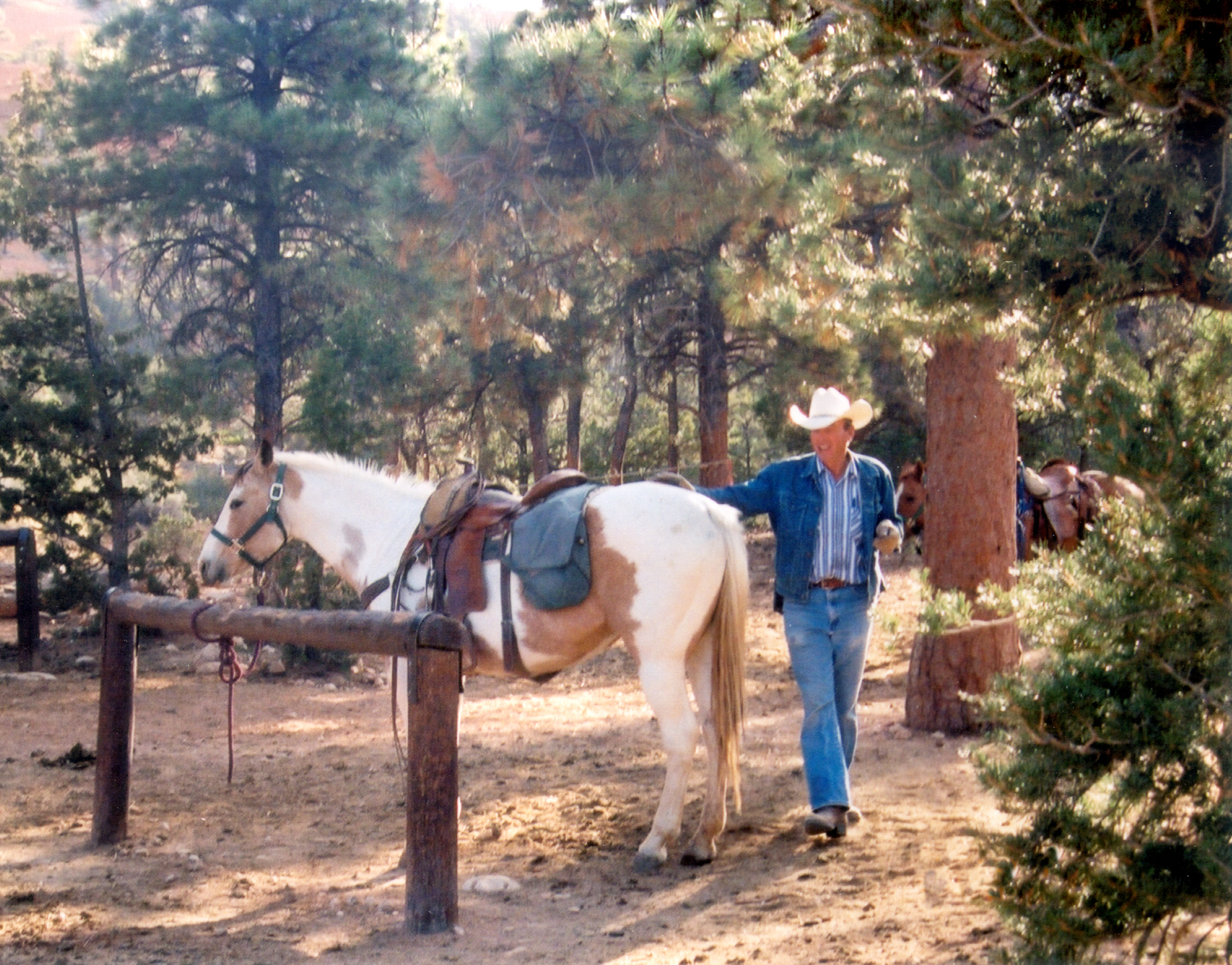
The American road begins where the Wild West ends.
wild west / horse rider / raw freedom
19TH CENTURYthe original spirit of escape
Plate 06 / 1890
frontier
1890 / THE WESTERN FRONTIER CLOSES
A nation built on movement ran out of west.
In 1890, the government officially declared that the Western frontier was closed. The wild land was gone. But the sudden empty feeling it left behind did not disappear.
closed frontier / open highway / new symbol
ORIGINthe frontier becomes a memory to rebuild
Plate 07 / Route 66
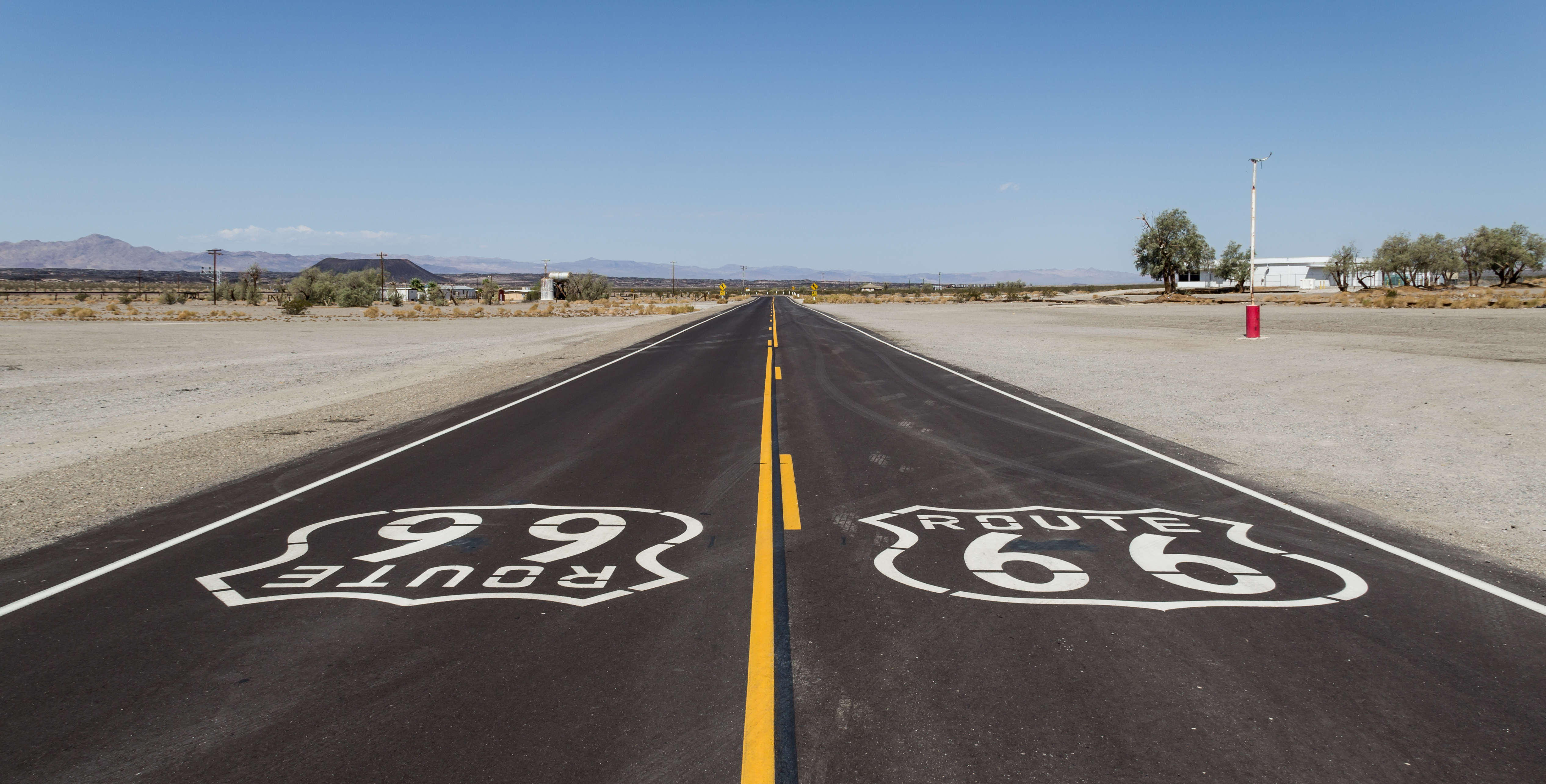
1926 / HIGHWAY AS NEW FRONTIER
The highway became the new frontier.
In 1926, the government built Route 66. It turned motion into infrastructure, allowing ordinary people to imagine absolute independence on the open asphalt.
route marker / automobile age / open distance
NEW FRONTIERfreedom becomes drivable
Plate 08 / Red Dead
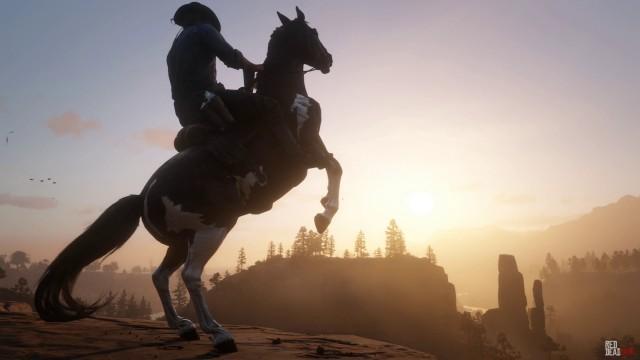
Arthur Morgan / outlaw body / final frontier
1899 / CULTURAL MEMORYthe cowboy spirit before the car
sunset / fading era
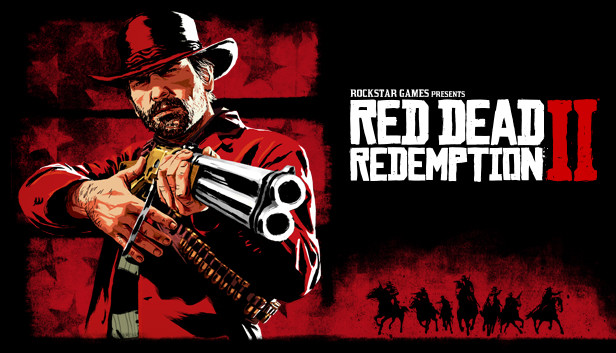
RED DEAD REDEMPTION 2 / 1899
Arthur Morgan rides away from modern law.
He represents the final days of the old frontier. When that cowboy era ended, the highway inherited its emotional role, becoming the new place to escape social rules.
Plate 09 / Part two
02
PART 2 / MASS REALITY
Industrialization and the Middle-Class Dream
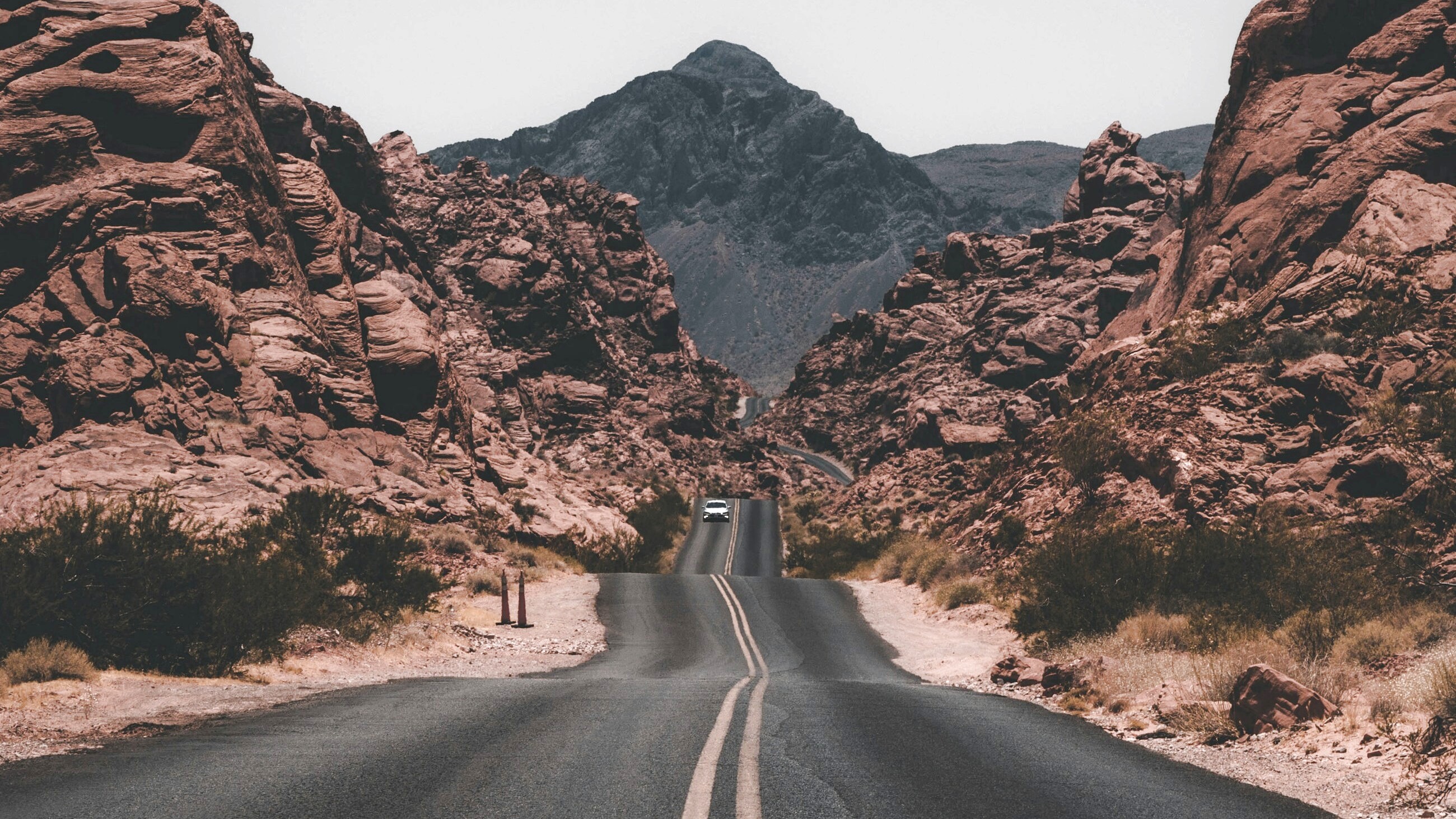
By the 1950s, this desire to break free was no longer just a romantic idea for a few rebels. It became a mass reality, driven by heavy industrialization and the rise of the American middle class.
mass reality / automobile era / standard lifestyle
1950S BOOMthe dream becomes accessible to all
Plate 10 / Middle class
1950s / AUTOMOBILES BECOME ORDINARY
Escape became a weekend plan.
Mass Production
The assembly line made cars affordable for ordinary families, turning an exclusive luxury into a national lifestyle tool.
Post-War Boom
The new middle class gained disposable income and paid vacations, providing the perfect economic means to travel.
New Comfort
The road trip shifted from a desperate, wild escape into the ultimate symbol of a successful, comfortable family life.
Plate 11 / Roadside America
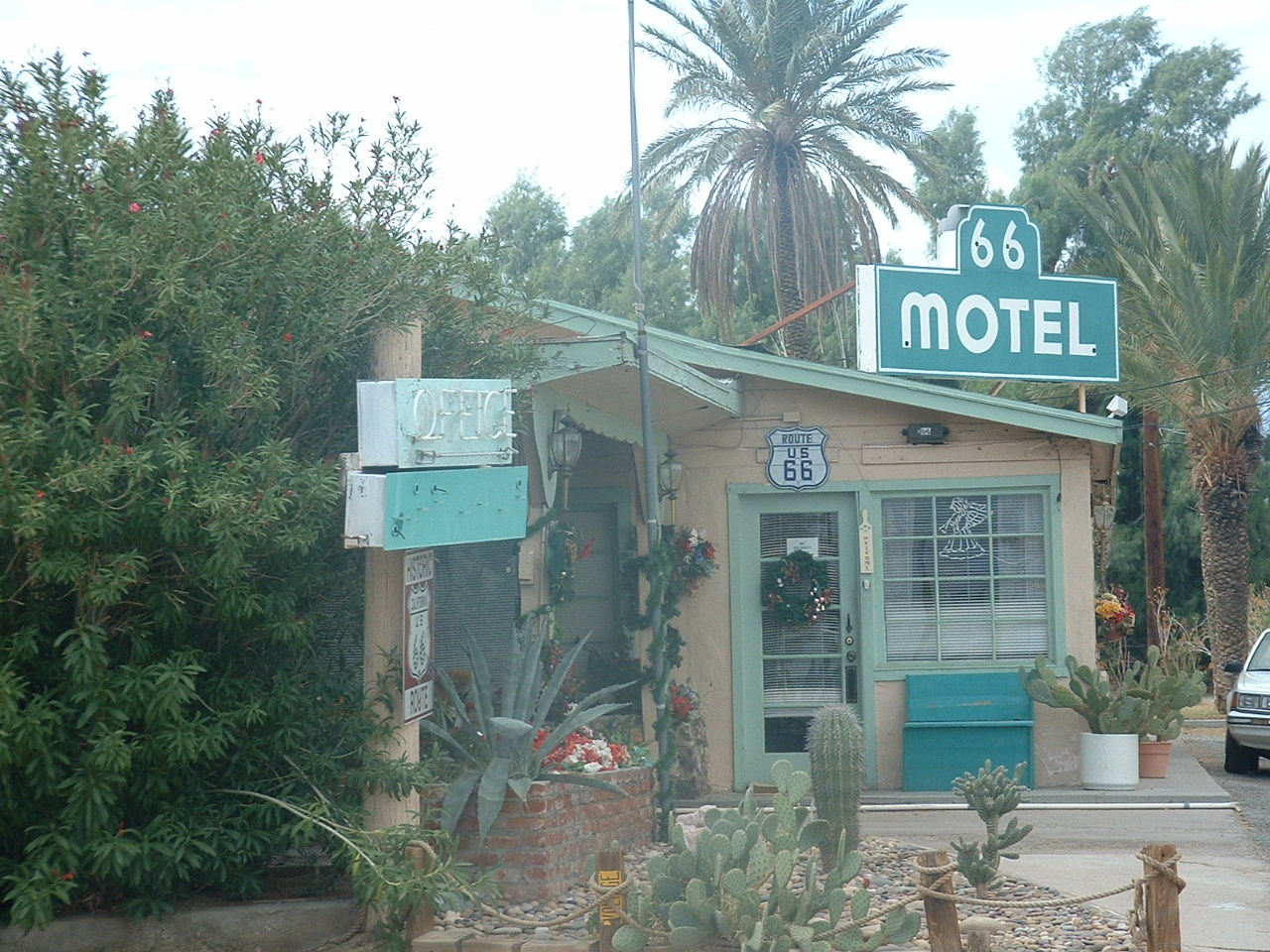
motel / diner / gas station / neon road
COMMERCIAL LANDSCAPEthe dream gets a storefront
GAS STATIONS / DINERS / MOTELS
The highway built its own world.
This massive economic shift created a completely new commercial landscape—neon-lit motels, roadside diners, and gas stations that turned long journeys into comfortable packages.
Plate 12 / On the Road
1957 / THE BEAT GENERATION
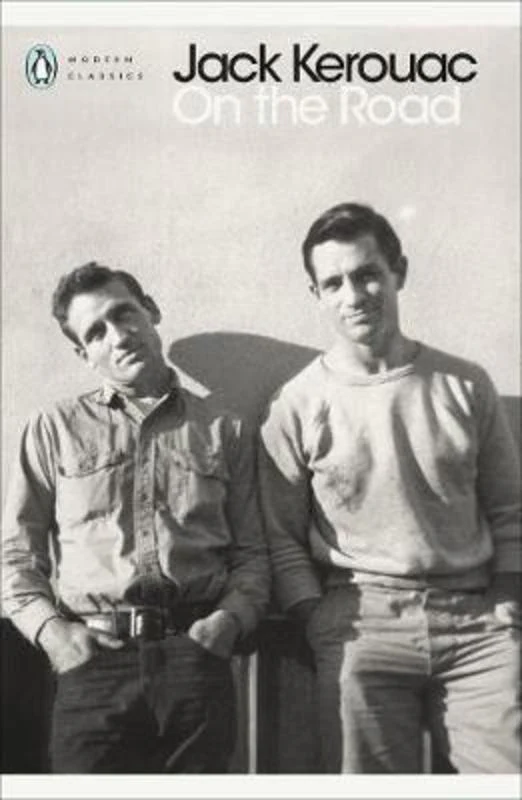
Jack Kerouac: On the Road
In 1957, Jack Kerouac published his masterpiece, defining a restless generation that used the highway to chase after spiritual meaning and identity.
THE PROMISE OF THE ROAD
A Fresh Start
The highway sold a perfect, drivable promise: the illusion of a completely fresh start for anyone with a working car and an open weekend.
LITERATUREchasing the white lines
Plate 13 / Part three
03
PART 3 / DISILLUSIONMENT
When the Illusion Cracks
The road is not outside the real world. It carries the same walls and the same darkness.
Plate 14 / Green Book
FILM CASEfreedom was not universal
FILM / SOCIAL PRIVILEGE
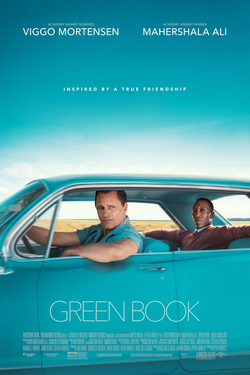
Green Book
The open road did not welcome everyone.
01
Wealth cannot buy safety.
A celebrated Black pianist tours the Deep South. His talent and money offer zero protection against systemic racism.
02
Every mile is a negotiation.
Sundown towns, segregated motels, hostile diners — the open road becomes an obstacle course of humiliation.
03
Freedom was never universal.
The romantic myth of the road collapses: what felt like a birthright for some was always a privilege denied to others.
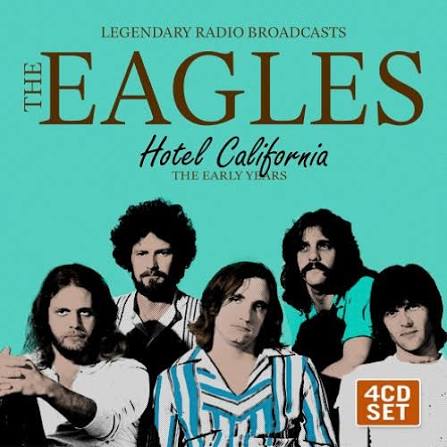
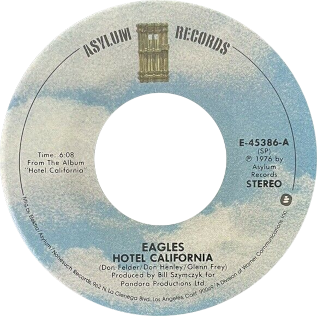
Plate 15 / Hotel California
The beautiful cage
EAGLES / 1976the destination becomes a trap
EAGLES / 1976
Hotel California
You can check out, but you can never leave.
01
Post-Vietnam disillusionment.
By the mid-1970s, a generation exhausted by war and broken promises traded idealism for cynicism.
02
The road becomes a loop.
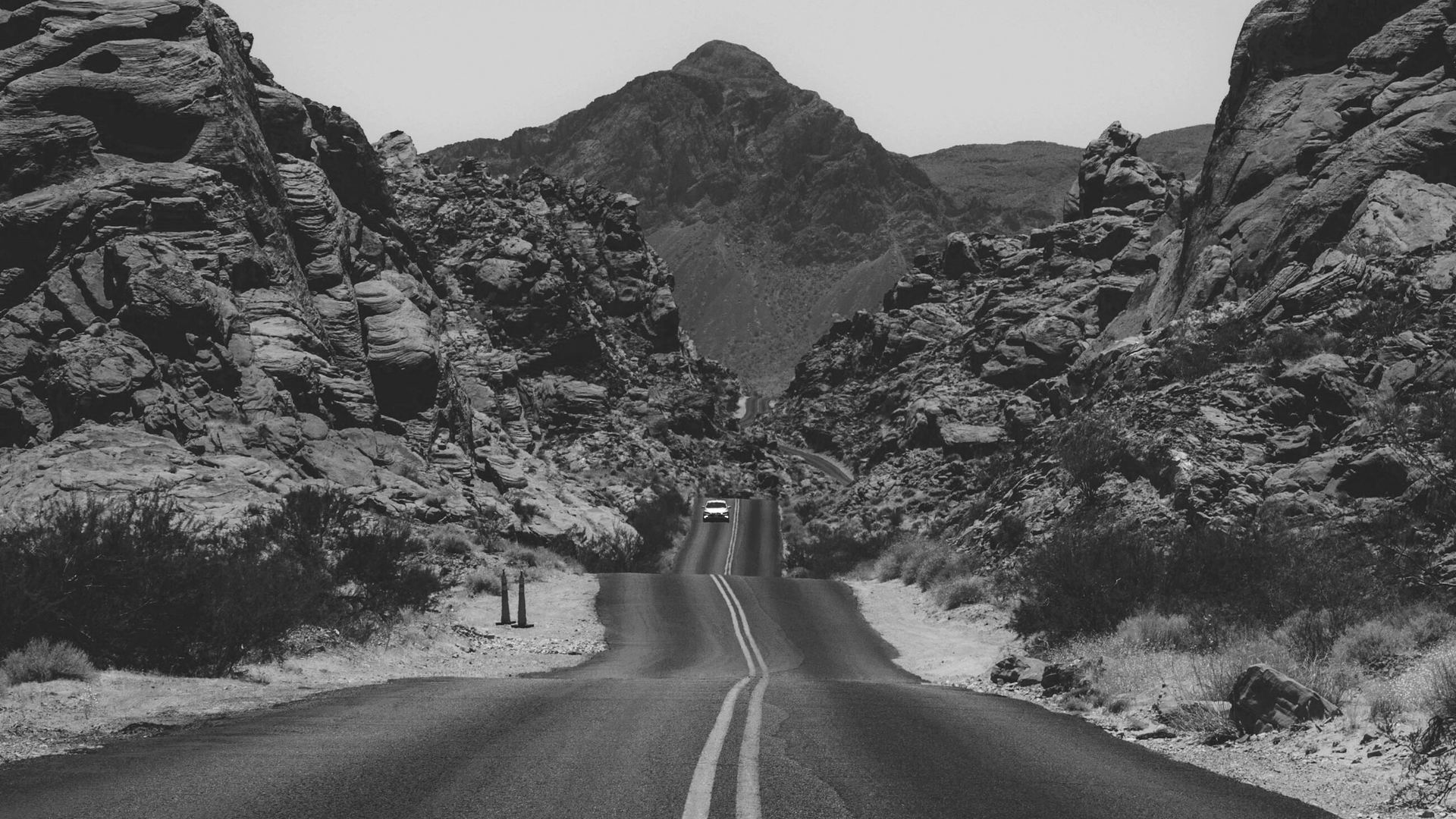
The Eagles turned the desert highway into a metaphor: a beautiful hotel where comfort itself is the prison.
03
The only inescapable thing is yourself.
No speed, no distance, no horizon can outrun the mind you carry with you.
Plate 16 / Reflection
"
CONCLUSION
American road culture is a deeply human story.
It is beautiful because it captures our universal desire to break free, to leave our failures behind, and to chase the horizon.
It gives us the courage to look for a way out.
THE HORIZONthe road we remember
Plate 17 / The Quieter Truth
home
THE QUIETER TRUTH
The road can offer a fresh start,
but it cannot give you a home.
Plate 18 / Thank You
stillness
True freedom is not about how fast you can drive away from your life.